How to Choose the Right Espresso Machine for Your Café’s Size

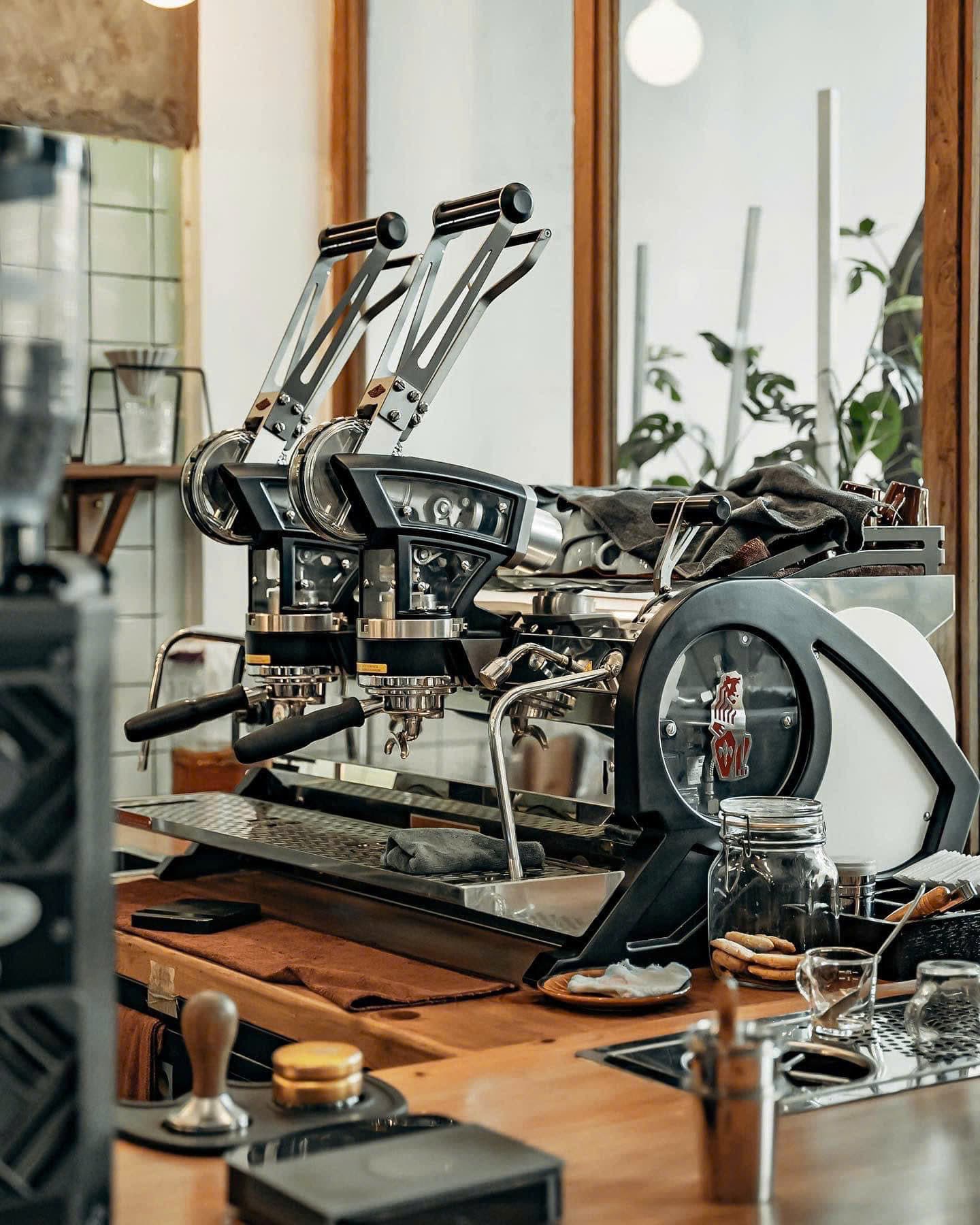
If you’re getting ready to open a coffee shop, or you’re weighing whether to upgrade your current espresso machine, you’ve probably noticed prices range from a few thousand dollars to well over ten thousand — and the most expensive machine isn’t always the right pick. This piece walks through how to size an espresso machine to your café’s actual scale: daily cup volume, peak-hour pressure, and running budget, rather than guessing or copying whatever the café down the street uses.

Size your café before you shop for a machine
Before asking “which machine should I buy,” answer three questions first: how many cups a day you expect to serve, how long your peak hour actually runs, and whether your menu leans heavily on espresso-based drinks (latte, cappuccino, americano) or mostly on phin and drip. A small take-away counter doing 30-50 cups a day has completely different needs from a sit-down café pushing 150-200 cups on a weekend afternoon.
The number of group heads on a machine determines how fast you can serve when it’s busy: a 1-group machine suits a very small shop or a new opening still testing demand; a 2-group machine is the most common choice for a mid-size café, handling peak hours without eating up too much counter space; 3+ groups only really earn their keep once you’re consistently pulling 100+ shots in a short window, or running a multi-location chain.
Match the machine type to how you actually operate
A semi-automatic machine puts extraction timing in the barista’s hands — good for specialty-focused cafés that want fine control over every shot, but it needs a barista whose technique stays consistent. An automatic or super-automatic machine standardizes the recipe and reduces dependence on any one person’s skill — a better fit for shops with fast staff turnover or chains that need the same taste across locations.
An espresso machine never works alone: the grinder and the water filter belong in the same budget line, because both directly affect cup quality and how long the machine itself lasts — unfiltered hard water is one of the most common reasons espresso machines break down earlier than expected.
Market context
According to the “Vietnam F&B Market Report 2025,” produced by iPOS.vn together with Nestlé Vietnam and released in April 2026 based on a survey of more than 3,000 restaurant and café businesses, Vietnam had roughly 329,500 F&B outlets in 2025, up 2% year-on-year, with that number forecast to reach about 333,600 outlets in 2026, a 4.6% increase. With new cafés opening at that pace, sizing equipment to actual budget and volume — instead of over-buying or under-buying capacity — is a very real problem for first-time owners.
Why choose EPIC
- Among EPIC’s six services is machine consulting, sales, rental, and repair — if you’re not sure whether to commit to a 1-group or 2-group machine right away, renting first takes the capital pressure off while you’re still testing your real service volume.
- EPIC runs both a café at 49 Ngo Thoi Nhiem, District 3 and a roastery in Binh Hung Hoa, so advice on how many groups you actually need comes from daily hands-on operating pressure, not a spec sheet — meaning you’re less likely to end up paying for capacity you never use.
- EPIC’s turnkey café setup service plans the espresso machine, grinder, and water filter together, instead of leaving you to buy each piece separately and discover later they don’t work well together.
- If your current machine is aging and you’re torn between repairing it or replacing it, EPIC’s repair service can assess its real condition before you commit to a new purchase.
As checked on 1 October 2026, EPIC supplies and rents espresso machines, buys used machines, calibrates grinders and espresso machines, and offers preferential out-of-warranty maintenance to customers who bought coffee or equipment from EPIC. Share the model, issue, service volume, and timing needed to discuss the right next step. Ask about café equipment.
Need help sizing an espresso machine to your café? Explore EPIC’s machine consulting services.

We roast in-house at our own drum roastery in Sài Gòn — sourcing single-origin lots from a real, catalogued network and dialling profiles cup by cup for our own bar and for partners across Việt Nam.
@epiccoffeeroaster · Follow on InstagramSpecializing in